
Inside the Cache County Most Wanted Program
The reviewed Cache County Sheriff’s Office pages did not identify a current most-wanted roster or a dedicated public program page. This distinction matters: a page labeled “most wanted” should be dated and maintained by the agency that owns the information. No names, photographs, tip rewards, or roster entries belong here without an official current source.
For future notices, begin at the official Cache County Sheriff’s Office website and follow links published there. The Sheriff’s Office lists (435) 755-1000 for warrant verification. That is a verification contact, not a claimed anonymous tip line or a promise of a reward.
How Cache County Most Wanted Lists Work
A genuine agency roster is a curated notice, different from a court’s full warrant data. It should identify the issuing agency, publication date, and official way to report information. Those details let a reader determine whether a notice is current and whether an agency has since withdrawn it. No Cache roster with those current attributes was located in this review, so an old social post or copied list should not be presented as active.
Current-source note: The county’s official Sheriff’s Office pages are the source to check for a future announcement. Absence from a roster does not establish that a person has no warrant.
How an Official Roster Would Be Maintained
In general, an agency can publish a limited set of cases it chooses to seek public help with, then remove or update an entry after it receives a verified change. That process is not the same as a court warrant database, and a social-media post may not update as quickly as the court record. Cache County’s reviewed sources did not publish a local update schedule, roster criteria, or current roundup terms, so none should be inferred.
Note: Any future list would be a dated snapshot. Confirm a notice with the named agency; neither an old post nor the absence of a post resolves a court record.
Do Not Assume an Anonymous Tip or Reward Channel
No current Cache County Crime Stoppers most-wanted partnership, anonymous tip channel, or reward structure was verified in the research. Do not send sensitive information to an unofficial social account or a person who contacts you claiming to be an investigator. Navigate to the Sheriff’s official domain independently and use the contact instructions published there. If there is immediate danger, call 911; do not investigate or confront anyone yourself.
- Check that an announcement is hosted by a current government agency or a named official partner.
- Use only the reporting instructions printed on that verified notice.
- Share observations with the agency and avoid posting names, addresses, or screenshots publicly.
- Do not approach or detain anyone; let law enforcement evaluate the report.
Key point: The county verification phone is not represented here as an anonymous-tip line, and no local reward promise was found.
Sending a Most Wanted Tip Safely
Because no current Cache County most-wanted bulletin was located, follow the reporting instructions on the specific official notice if one appears. Do not assume that a tip is anonymous, that a reward is offered, or that a general warrant-verification call records a tip. The agency can explain how it accepts information and whether the contact method protects a caller’s identity.
- Confirm the notice and its date on a current official agency page.
- Use the reporting channel and identity instructions shown by that agency.
- Report only what you directly observed, and keep any reference number the agency provides.
- Do not confront, follow, or publicly identify a person based on an online post.
Key point: Verify the official contact route first. Do not assume anonymity or compensation unless the current agency notice states it.
Historical Roundup Mentions Are Not Current Terms
Older county references to warrant enforcement do not establish a current roundup, amnesty period, surrender window, or fee waiver. A real event should have a dated announcement from the responsible court or law-enforcement agency and clear instructions about eligibility. Do not rely on a repost or an old article to decide when to appear or whether a warrant will be held. Ask the issuing court about the case itself.
How Most Wanted Differs From an Active Warrant
A most-wanted notice, when an agency issues one, is a publication choice. An active warrant is a court or law-enforcement status and may never be featured publicly. Cache County currently has no verified public roster in the reviewed sources, while Utah offers a statewide warrant search for personal status checking. Neither source should be copied into a people list.
| Feature | Most Wanted List | Active Warrant |
|---|---|---|
| Scope | A selected agency bulletin, if one is issued | A court order whose current status must be confirmed |
| Who maintains it | The agency that publishes the notice | The issuing court and connected record systems |
| Public visibility | Only the cases the agency chooses to publish | Access depends on the record and public-access rules |
| How to resolve | Follow the current agency notice and court instructions | Ask the issuing court about appearance, bond, or recall |
Federal Fugitive Notices Use Federal Channels
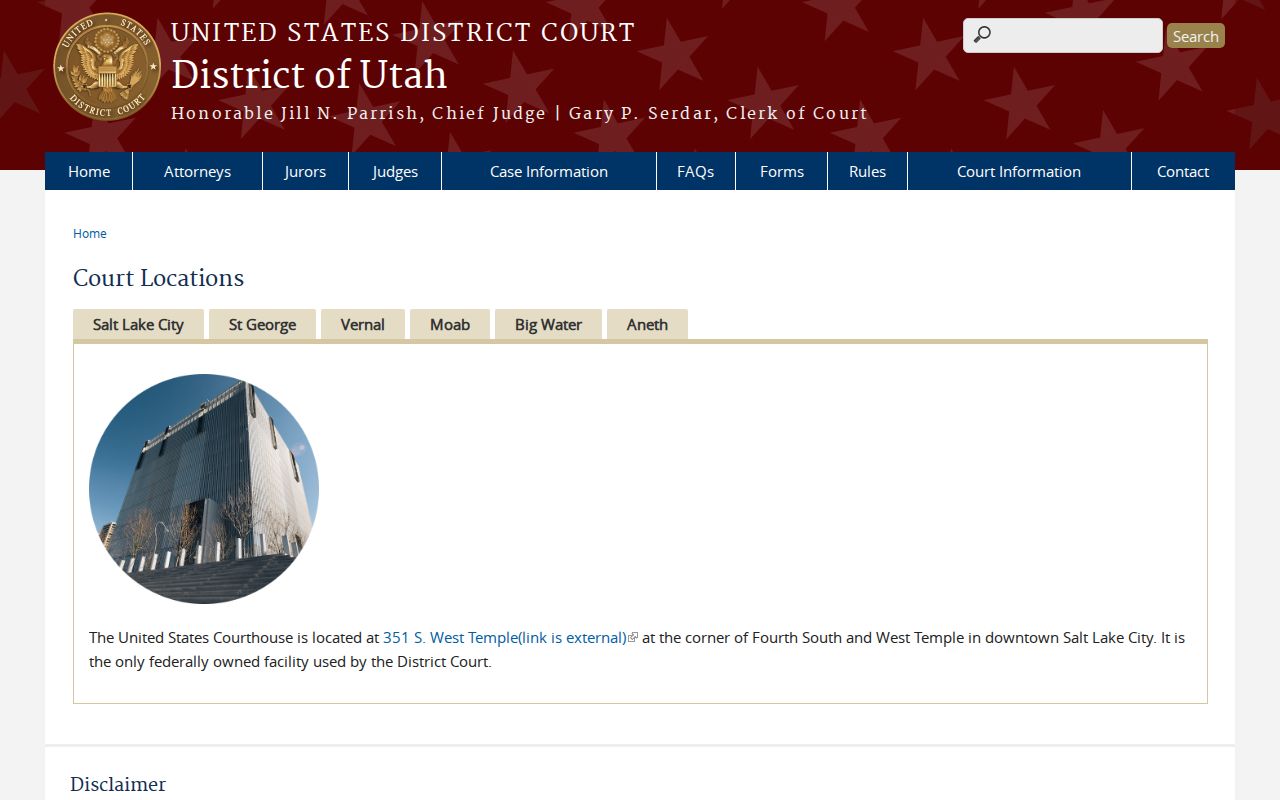
A federal warrant or fugitive notice is handled through federal court and law-enforcement systems, not a Cache County roster. The U.S. District Court for Utah lists its Northern Division court location separately, while federal case documents are accessed through PACER under federal rules and fees. These systems do not confirm a local city-court or county warrant by themselves.
For a specifically federal notice, verify it through the named federal court or agency. Do not infer local status from a federal search result, or federal status from a Utah statewide search.
Warrant Payment Calls Need Independent Verification
The Cache County Sheriff warns residents about warrant-payment scams and says to verify suspected warrants through the official phone route. Do not send money, gift cards, or digital currency to a caller who threatens immediate arrest. Hang up, navigate to the county’s official domain yourself, and call the published number. A legitimate warrant question belongs with the court or agency that maintains the case, not a caller’s private payment link.
When You Believe You Are Listed
Do not act on an unattributed screenshot or an old repost. Ask the publishing agency whether the notice is current, and contact the issuing court for warrant status and case instructions. Legal counsel can help confirm the docket and discuss an appearance or motion. If you believe a notice exposes private information or names the wrong person, report the concern to the official agency that published it rather than amplifying it.
Important: Use the issuing court and qualified legal counsel to discuss a case; a public notice cannot tell you what conditions apply or whether it remains active.