
Outstanding Warrants in Cache County
Cache County publishes no countywide list of every active warrant. The Cache County Sheriff's Office instead asks residents to verify a suspected warrant by calling (435) 755-1000. For a public search, Utah's official statewide warrant search at warrants.utah.gov is the route, covering felony, misdemeanor, infraction, and traffic failure-to-appear entries supplied by courts, within the system's limits and update timing. When a result shows as active or outstanding, that label means the issuing authority has not recorded a recall, service, or clearance in the data that search can see. It says nothing about whether an arrest is near or what a judge may order next. Before acting, confirm the issuing court, the date, and the case identifier. The court, not the search result, is the record that counts.
Why Cache Uses Verification Instead of a County Roster
Cache County posts no searchable warrant roster online. What the Sheriff offers instead is verification by phone, which works well when you just need to confirm that a warrant looks real. A call has limits. The issuing court alone controls bond, hearing dates, and whether a warrant can be recalled, so the sheriff cannot resolve the case for you. For service-of-process questions, the Civil Unit lists a separate line at (435) 755-1279. Keep in mind that no single Cache County page gathers every city court, district court, or out-of-county warrant record.
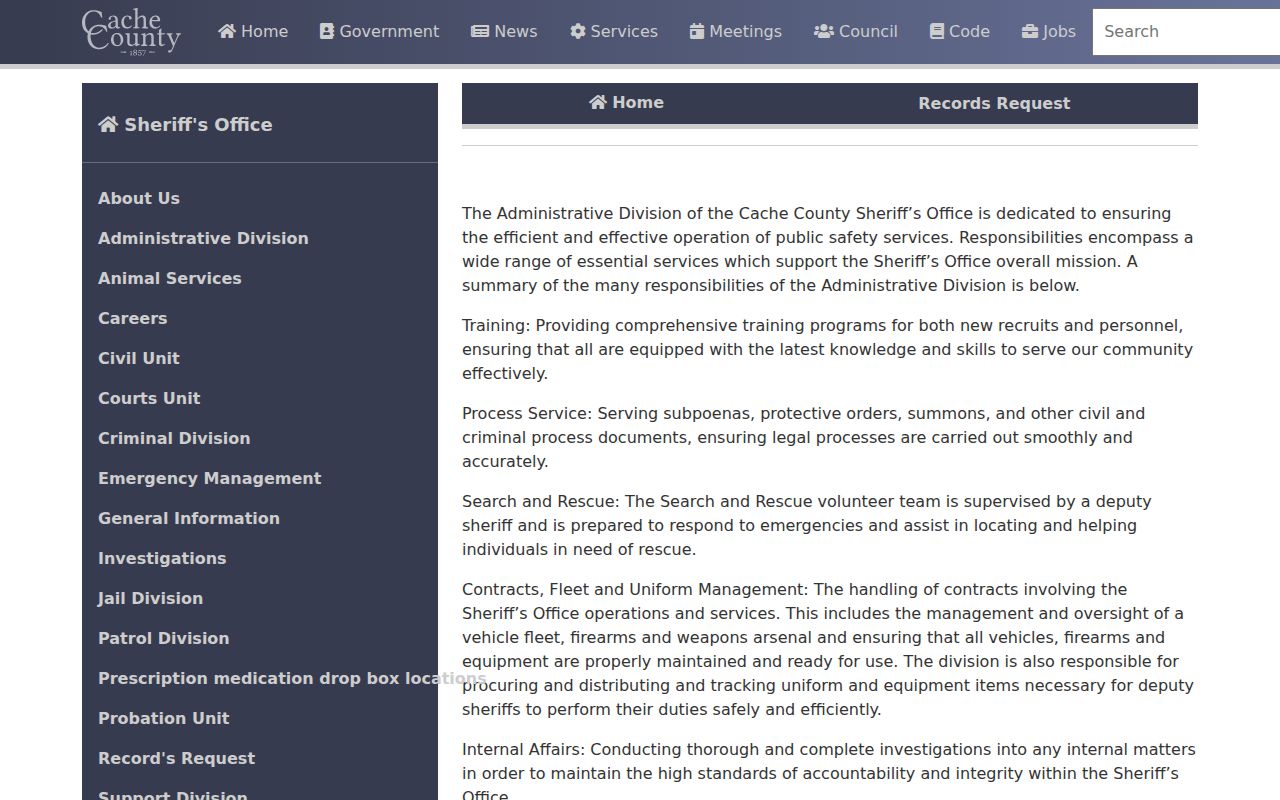
Court records and sheriff records answer different questions in Cache County. A court case calls for the court system's public case tools or the clerk. An incident report goes through the Sheriff's Records request channel, and its access rules differ.
The Cache County Active Warrant List
Utah's Bureau of Criminal Identification runs a statewide warrant search, so it reaches beyond Cache County alone. Participating courts feed it their information, which lets one query cover several jurisdictions at once. Searching is simple: enter a name, then narrow the match. The official guide offers starts-with, exact, contains, and phonetic name modes, plus date choices. Pick the court identifier carefully. A wrong court selection can return nothing, even when an active warrant actually sits in a different court's files.
Update note: BCI says a served entry may remain visible for about 15 days, while a recalled warrant is removed within about an hour; timing and source updates can vary. No result is not a clearance certificate.
Active, Served, and Recalled Are Different States
A status field is only a snapshot. It comes from a reporting system, not a live feed of every event, and BCI's public guide notes a delay after service plus a shorter removal period after recall. A court may update its docket before every connected system catches up. So write down the search date and the exact court shown, then ask that court directly whether the warrant still stands. If the entry looks like a mismatch, leave it alone; a similar name is not identification. Public access has edges. Utah court rules restrict sealed material, and juvenile case information gets extra protection. A missing result in Cache County can mean restricted access, a different issuing court, a data-entry delay, or simply a nonmatch. Only the responsible court or agency can explain the particular record.
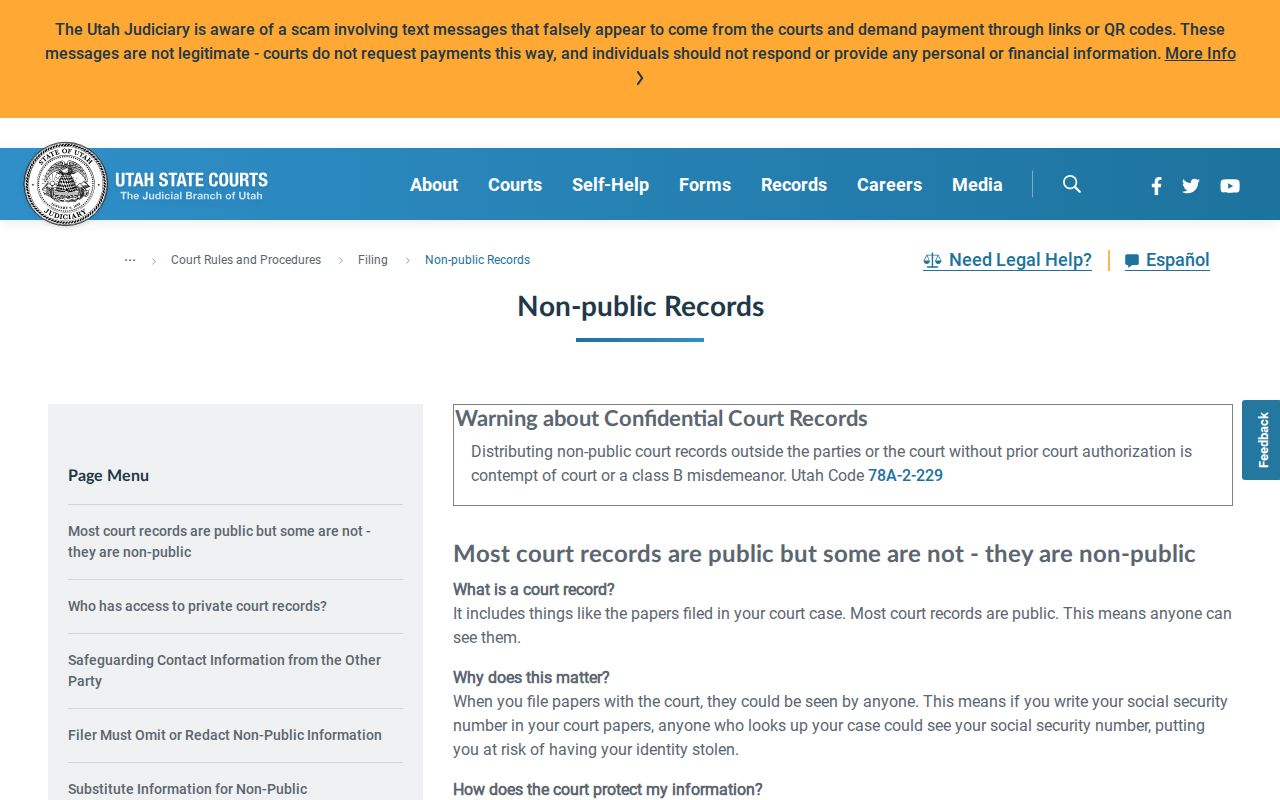
When a specific case is missing from public view in Cache County, only the clerk or record custodian can explain why.
Active Warrants: What They Show
Treat any Cache County search result as a lead, not a conclusion. Check the court name and case identifier against the person first. Names get shared, and a data system may not show the full file behind the entry.
| Warrant / Case Number | Use the displayed identifier when asking the clerk to find the same docket. |
|---|---|
| Charge / Offense | The allegation associated with the order; the case file provides fuller context. |
| Issuing Court | The court responsible for the order and the best source for current instructions. |
| Bond Amount | Confirm whether the amount is current and what conditions apply before relying on it. |
| Status | A system label that may trail a service, recall, or court update. |
A Booking Roster Is Not an Active Warrant List
The Cache County Jail booking page is an unofficial custody snapshot, and an incomplete one. It shows who is booked right now, but it is not a list of outstanding warrants, and it may leave out state or federal custody entirely. A person can hold an active warrant yet never appear on the jail roster. A booking can also rest on some other legal basis. Bail-payment information, in turn, tells you nothing about warrant status. For custody questions the jail publishes (435) 755-1227. For a suspected warrant, use the sheriff verification number or the court named in the statewide result. Stay focused on the record you actually need, and skip copying names or booking photos into public posts.
Cache County Warrant Roundups
Cache County runs no published most-wanted roster, recurring warrant roundup, or amnesty event right now. Old references to such programs should not be treated as current without a dated announcement. The sheriff's official site carries future agency notices, and the statewide case search remains the way to check your own status.
Key point: The Cache County Sheriff posts no public warrant roundup roster. Watch the official Sheriff's Office announcements for any program notice.
A county jail booking page or an old roundup reference is not a substitute for a dated official roster.
How Court Transfers Can Change an Old Result
Court lines in Cache County have moved over the years. Smithfield Justice Court closed April 1, 2021. North Logan and Hyde Park Justice Court both dissolved April 1, 2025, and case routing shifted to district court beginning July 1, 2025. That is why an old municipal link may no longer name the current court. It also proves nothing about a historical warrant being cleared. Give Utah Courts the former court's name and the docket number, then ask which office controls the case now.
Finding Your Own Name on the List
A shared name proves little in Cache County. Match the court, the case number, and the date of birth when one is listed. Then call the issuing court. Options may include arranging an appearance, posting a court-approved bond, or asking the court to recall or quash the order. A lawyer can advise on consequences and procedure. A bench-warrant matter likewise needs the issuing court's direction before anything else happens.
Important: Before choosing how to respond, ask the court about the case and consider legal advice; a search screen cannot set a safe surrender plan or change an order.
License Holds Follow a Separate DLD Record
Miss a traffic date in Cache County and Utah Driver License Division may flag an SFTA status. That license hold is separate from the court's warrant. The court has to address the case and report the change first. DLD then handles reinstatement under its own process, which carries a $40 per-citation fee after court clearance. So ask the court two things. Is the warrant recalled, and is the SFTA cleared? Then check DLD for the license itself. Never assume one screen updates the other. Keep the court receipt and any DLD confirmation with your Cache County case file. If the statewide search and the court docket disagree, give both offices the same case number and search date so they can see where the update is still pending.